


The travel industry stands at a technological crossroads in 2026, where innovation drives every aspect of the passenger experience. From artificial intelligence reshaping booking platforms to biometric systems revolutionizing airport security, travel technology news reflects an industry in rapid transformation. Understanding these developments helps travelers, industry professionals, and investors navigate an increasingly digital landscape where efficiency, personalization, and sustainability intersect.
Artificial Intelligence Transforms Travel Planning
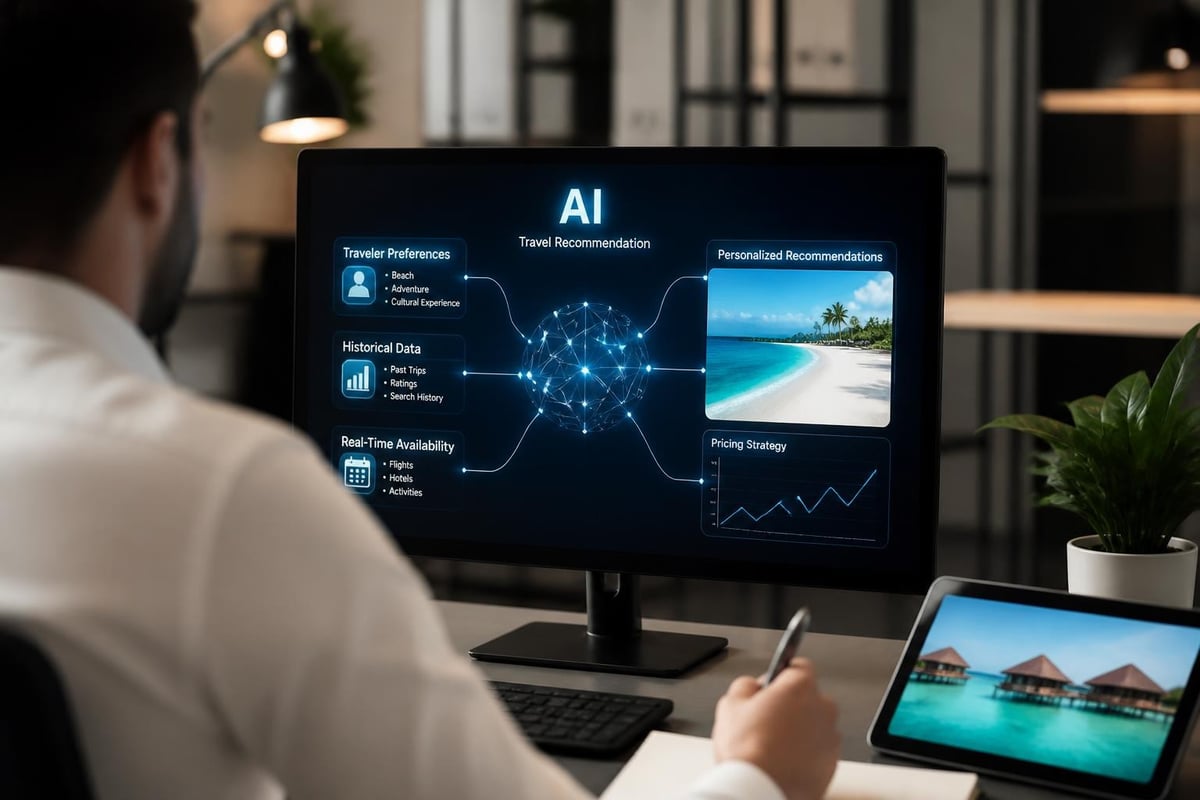
Artificial intelligence has moved beyond simple chatbots to become the backbone of modern travel planning. Major platforms now deploy sophisticated algorithms that analyze millions of data points to predict pricing trends, suggest optimal booking times, and create personalized itineraries based on individual preferences and past behavior.
Predictive Analytics and Dynamic Pricing
Machine learning models now process historical data, seasonal patterns, and real-time demand to forecast price fluctuations with remarkable accuracy. Airlines and hotels leverage these systems to optimize revenue while travelers use counter-algorithms to identify the best booking windows.
Key AI applications in pricing include:
- Real-time fare prediction engines
- Automated price-drop alerts
- Demand-based inventory management
- Competitive pricing analysis tools
The technology has democratized access to pricing intelligence previously available only to industry insiders. Travelers equipped with AI-powered applications can now compete effectively in markets that once heavily favored suppliers.
Natural Language Processing in Customer Service
Natural language processing has revolutionized customer interactions across the travel sector. Advanced conversational AI handles everything from simple booking inquiries to complex itinerary changes, operating 24/7 in multiple languages. According to Deloitte’s travel industry outlook, companies investing in these technologies report significant improvements in customer satisfaction while reducing operational costs.
The latest travel technology news highlights how these systems now understand context, sentiment, and intent with human-like accuracy. They can detect frustration in a customer's message and escalate to human agents appropriately, ensuring that automation enhances rather than diminishes service quality.
Biometric Technology Accelerates Airport Processing
Biometric identification systems represent one of the most visible transformations in travel technology news coverage. Airports worldwide have implemented facial recognition, fingerprint scanning, and iris detection to streamline passenger processing from check-in through boarding.
Seamless Identity Verification
Modern biometric systems create a continuous identity thread throughout the travel journey. Passengers enroll once, then move through multiple checkpoints without presenting physical documents. This approach dramatically reduces processing times while enhancing security.
| Checkpoint | Traditional Time | Biometric Time | Time Saved |
|---|---|---|---|
| Check-in | 8-12 minutes | 2-3 minutes | 70-75% |
| Security | 15-20 minutes | 5-7 minutes | 65-70% |
| Boarding | 4-6 minutes | 1-2 minutes | 60-65% |
Major airports report processing capacity increases of 30-40% without physical expansion. The SITA Passenger IT Insights survey reveals that 85% of airports plan significant biometric investments through 2027, making this technology central to future infrastructure planning.
Privacy and Security Considerations
Implementation raises important questions about data protection and passenger consent. Regulatory frameworks vary globally, with European airports requiring explicit opt-in while some Asian airports make participation mandatory for certain routes.
Industry standards now address:
- Data retention periods and deletion protocols
- Cross-border information sharing agreements
- Passenger rights to opt-out or data access
- Cybersecurity measures protecting biometric databases
- Transparency in algorithmic decision-making
The balance between convenience and privacy remains a central theme in travel technology news discussions, particularly as systems become more integrated and data sharing more extensive.
Sustainable Aviation Technology
Environmental concerns drive innovation in aviation technology, with 2026 marking significant progress toward net-zero emissions goals. Airlines invest heavily in sustainable aviation fuels, electric propulsion, and operational efficiency technologies.
Alternative Propulsion Systems
Electric and hybrid-electric aircraft move from experimental prototypes to commercial viability. Regional carriers prepare to operate short-haul electric flights by 2028, while major manufacturers test hydrogen fuel cell systems for medium-range applications.
Current development focuses on:
- Battery energy density improvements
- Charging infrastructure at regional airports
- Hybrid systems combining traditional and electric power
- Hydrogen production and distribution networks
These advances feature prominently in travel technology news as they promise to revolutionize short-haul travel within a decade. The technology remains limited by battery weight and charging requirements, but progress accelerates as investment increases.
Operational Efficiency Technologies
Beyond propulsion, airlines deploy numerous technologies to reduce fuel consumption and emissions. Advanced flight planning software optimizes routes in real-time, considering weather, air traffic, and fuel efficiency. Winglets, lighter materials, and more efficient engines contribute incremental improvements that collectively produce substantial results.

Ground operations benefit equally from innovation. Electric ground support vehicles, smart taxiing systems, and optimized gate assignments reduce airport carbon footprints significantly. Fairmont Post’s technology coverage examines how these seemingly minor improvements aggregate into major environmental benefits.
Digital Distribution and Direct Booking
The relationship between suppliers and customers continues evolving as technology enables more direct connections. Traditional intermediaries face pressure from platforms offering seamless booking experiences while suppliers develop sophisticated direct channels.
The Rise of Metasearch and Aggregation
Metasearch engines have matured into comprehensive travel planning platforms. They aggregate inventory from multiple sources, compare prices, and facilitate bookings while maintaining neutrality. Revenue models have shifted toward advertising and referral fees rather than transaction commissions.
Modern platforms offer:
- Real-time price comparison across hundreds of suppliers
- Integrated reviews and ratings from verified travelers
- Multi-modal journey planning combining flights, trains, and ground transport
- Flexible date searches showing price variations
- Mobile-first interfaces optimized for spontaneous bookings
Industry analysts note that the digital traveler expects comprehensive options and transparent pricing, forcing suppliers to maintain competitive direct channels while participating in aggregation platforms.
Blockchain and Decentralized Systems
Blockchain technology promises to revolutionize travel distribution by creating decentralized inventory management systems. These platforms eliminate intermediaries, reduce transaction costs, and provide immutable booking records that prevent fraud and disputes.
| Traditional System | Blockchain System | Advantage |
|---|---|---|
| Multiple intermediaries | Direct supplier-customer connection | Lower fees |
| Opaque pricing | Transparent, auditable transactions | Trust building |
| Centralized data | Distributed ledger | Security |
| Settlement delays | Instant payment | Cash flow |
Implementation challenges include scalability, regulatory acceptance, and industry coordination. However, pilot programs demonstrate viability, and travel technology news increasingly covers blockchain applications beyond cryptocurrency speculation.
Mobile Technology and Super Apps
Smartphones have become essential travel companions, with dedicated applications managing every journey aspect. The super app concept, combining multiple services in single platforms, gains traction particularly in Asian markets where travelers access flights, hotels, ground transport, activities, and payment systems through one interface.
Location-Based Services and Augmented Reality
GPS technology combines with augmented reality to create immersive navigation and discovery experiences. Travelers point smartphones at landmarks to receive historical information, reviews, and booking options. Museums and heritage sites deploy AR to enhance exhibits, while cities develop digital layers providing context to physical spaces.
Recent innovations include:
- Indoor navigation using Bluetooth beacons and Wi-Fi triangulation
- Real-time translation overlays for signs and menus
- Gamified exploration encouraging visits to lesser-known attractions
- Social features connecting travelers with similar interests
- Integration with wearable devices for hands-free access
These capabilities transform how travelers interact with destinations, moving from passive tourism to active, technology-enhanced exploration. Research on smart tourism demonstrates how these tools improve visitor experiences while providing destinations with valuable data about movement patterns and preferences.
Contactless Payment and Digital Wallets
Payment technology eliminates friction in travel transactions. Digital wallets store multiple payment methods, loyalty cards, and travel documents in secure applications accessed through biometric authentication. Contactless systems process payments in seconds, supporting everything from metro tickets to restaurant bills.
The convergence of payment, identity, and loyalty systems creates seamless experiences where travelers move through destinations with minimal transactional overhead. Travel technology news highlights how this convenience also generates rich data streams that platforms use to refine recommendations and personalize offers.
Internet of Things and Connected Accommodations
Hotels and alternative accommodations deploy IoT devices to create responsive environments that adjust to guest preferences. Smart rooms control lighting, temperature, and entertainment through voice commands or mobile apps, while sensors monitor occupancy and maintenance needs.
Personalization Through Connected Devices
IoT networks enable unprecedented personalization. Hotels recognize returning guests and configure rooms to stored preferences before arrival. Lighting adjusts to circadian rhythms, thermostats optimize for comfort and efficiency, and entertainment systems queue preferred content.
Behind the scenes, connected systems monitor:
- HVAC performance and energy consumption
- Occupancy patterns informing housekeeping schedules
- Minibar inventory triggering automatic restocking
- Equipment performance predicting maintenance needs
- Guest movement within properties optimizing service delivery
This infrastructure represents significant investment but delivers returns through operational efficiency and enhanced guest satisfaction. The technology also supports sustainability initiatives by reducing energy waste and optimizing resource allocation.

Security and Privacy in Connected Spaces
Connected devices raise security concerns as they create potential vulnerabilities. Hotels implement robust cybersecurity measures protecting guest data and preventing unauthorized access to building systems. Industry standards address encryption, network segmentation, and regular security audits.
Transparency remains crucial. Properties inform guests about data collection, provide opt-out options, and explain how information improves experiences. The latest travel technology news emphasizes that successful IoT implementation balances innovation with respect for privacy.
Corporate Travel Management Evolution
Business travel technology has evolved from simple booking tools to comprehensive platforms managing travel programs, compliance, duty of care, and sustainability reporting. Organizations demand visibility into travel spending while ensuring employee safety and comfort.
Integrated Travel Management Platforms
Modern corporate travel platforms unify booking, approval workflows, expense management, and reporting in single systems. They enforce travel policies automatically, negotiate preferred rates with suppliers, and provide real-time traveler location data for safety purposes.
Key platform capabilities include:
- Policy enforcement at booking time preventing non-compliant reservations
- Automated approval routing based on trip cost and traveler hierarchy
- Integration with expense systems eliminating duplicate data entry
- Carbon footprint tracking supporting sustainability initiatives
- Traveler tracking and emergency communication systems
These systems reduce administrative burden while improving compliance and cost management. Companies report 15-25% reductions in travel spending through better visibility and control.
Duty of Care and Traveler Safety
Organizations accept increasing responsibility for employee safety during business travel. Technology enables real-time risk monitoring, proactive communication during disruptions, and rapid response to emergencies. Platforms integrate global risk databases, weather services, and health advisories to alert travelers about potential threats.
The World Economic Forum’s travel development index examines how technology supports travel safety while noting that implementation varies significantly across regions and company sizes. Smaller organizations benefit from SaaS platforms providing enterprise-grade capabilities without major capital investment.
Data Analytics and Business Intelligence
Travel companies generate enormous data volumes that analytics platforms transform into actionable insights. Advanced analytics identify trends, predict demand, optimize pricing, and personalize marketing with unprecedented precision.
Customer Segmentation and Personalization
Machine learning algorithms segment customers based on hundreds of attributes, creating micro-segments with specific characteristics and preferences. Marketing automation delivers personalized messages, offers, and content to each segment, dramatically improving conversion rates.
| Metric | Generic Campaigns | Personalized Campaigns | Improvement |
|---|---|---|---|
| Open Rate | 18-22% | 35-45% | 95-105% |
| Click Rate | 2-3% | 8-12% | 300-400% |
| Conversion | 1.5-2% | 4-6% | 200-300% |
| Revenue/Email | $0.10-0.15 | $0.40-0.60 | 300-400% |
Personalization extends beyond marketing to product development. Analytics reveal unmet needs, pricing sensitivity, and feature preferences that guide new service creation. Companies use these insights to differentiate offerings and capture market share.
Predictive Maintenance and Operations
Airlines and hotels apply predictive analytics to maintenance, reducing downtime and preventing failures. Sensors monitor equipment performance, algorithms detect anomalies, and systems schedule maintenance before problems occur. This approach reduces costs while improving reliability and safety.
Airlines investing in digital technology report significant operational improvements from predictive systems. The technology has matured from experimental to essential, with most carriers planning expanded implementation.
The Role of Content in Travel Technology
Quality content supports technology adoption and helps travelers understand new capabilities. Publications like Fairmont Post bridge the gap between technical innovation and practical application, explaining how technologies benefit different stakeholders and what developments mean for the industry's future.
For businesses seeking to share expertise in travel technology news, platforms offering guest post opportunities provide channels to reach engaged audiences interested in industry developments. Thought leadership content helps companies establish authority while contributing to broader industry conversations about technology's role in travel's future.
Voice Technology and Conversational Interfaces
Voice-activated assistants have become ubiquitous travel companions. Travelers use voice commands to book flights, check itineraries, control hotel rooms, and access destination information. The technology understands natural language, multiple accents, and complex requests with improving accuracy.
Airlines and hotels integrate voice assistants into mobile apps and in-room devices. Passengers check flight status, change seats, or order meals through conversation. Hotel guests control room features, request services, or get recommendations without touching screens or phones.
Voice technology advantages:
- Hands-free operation during multitasking
- Accessibility for users with visual or motor impairments
- Natural interaction reducing learning curves
- Speed for simple requests and commands
- Integration across devices and platforms
The technology continues improving through machine learning that adapts to individual speech patterns and preferences. Privacy concerns remain, particularly regarding always-listening devices, but consumer acceptance grows as benefits become clear.
Virtual and Augmented Reality Applications
VR and AR technologies transform how travelers research, plan, and experience destinations. Virtual tours allow detailed exploration of hotels, attractions, and neighborhoods before booking. Augmented reality enhances in-destination experiences with contextual information and immersive storytelling.
Pre-Trip Exploration and Decision Making
Hotels, resorts, and tour operators create VR experiences showcasing properties and activities. Travelers explore rooms, walk through facilities, and preview excursions from home. This transparency builds confidence and reduces booking anxiety, particularly for high-value purchases.
The technology proves especially valuable for:
- Destination weddings and group events requiring venue selection
- Luxury travel where room selection significantly impacts experience
- Adventure travel helping travelers assess comfort with activities
- Accessibility evaluation for travelers with special needs
- Corporate events ensuring venues meet specific requirements
Conversion rates improve 20-40% when VR previews are available, according to industry data. The investment in content creation pays dividends through increased bookings and reduced cancellations.
Enhanced In-Destination Experiences
AR applications overlay digital content on physical environments, providing context, information, and entertainment. Travelers point devices at landmarks to access historical information, reviews, and booking options for tours and activities. Museums use AR to bring exhibits to life with animations, detailed explanations, and interactive elements.
Cities develop AR layers that gamify exploration, encourage visits to lesser-known attractions, and support local businesses. These applications generate data about visitor behavior that destinations use to improve infrastructure and services.
Cybersecurity in Travel Technology
As travel technology becomes more sophisticated and interconnected, cybersecurity assumes critical importance. Travel companies manage sensitive personal information, payment data, and travel itineraries that attract malicious actors. Breaches damage reputations, trigger regulatory penalties, and erode customer trust.
Protecting Customer Data
Modern security architectures employ multiple layers of protection including encryption, access controls, intrusion detection, and continuous monitoring. Companies implement zero-trust frameworks assuming potential threats exist inside and outside networks.
Essential security measures include:
- End-to-end encryption for data transmission and storage
- Multi-factor authentication for account access
- Regular security audits and penetration testing
- Employee training on social engineering and phishing
- Incident response plans tested through simulations
- Compliance with industry standards and regulations
The regulatory environment grows more stringent as governments recognize data protection's importance. Companies operating globally navigate complex requirements across jurisdictions, requiring sophisticated compliance programs.
Emerging Threats and Responses
Cybercriminals deploy increasingly sophisticated techniques targeting travel companies and travelers. Phishing campaigns impersonate legitimate companies to steal credentials, while ransomware attacks encrypt critical systems demanding payment for restoration.
The industry responds through information sharing, collaborative defense initiatives, and investment in advanced security technologies. Artificial intelligence helps detect anomalies and respond to threats faster than human analysts, while blockchain provides tamper-proof transaction records.
The Future Landscape of Travel Technology
Looking ahead, travel technology news will increasingly focus on integration, seamless experiences, and sustainable innovation. The industry moves toward platforms that unify all journey aspects while respecting privacy and environmental constraints.
Quantum computing promises to revolutionize optimization problems in routing, pricing, and resource allocation. Advanced materials enable lighter, more efficient aircraft. Biotechnology contributes to health monitoring and disease prevention during travel.
The successful companies will balance innovation with responsibility, deploying technologies that genuinely improve experiences while addressing legitimate concerns about privacy, security, and environmental impact. Technology serves travel's fundamental purpose: connecting people, places, and cultures in meaningful, enriching ways.
The travel industry's technological transformation continues accelerating, touching every aspect of how we plan, book, and experience journeys. Staying informed about these developments helps professionals make strategic decisions and travelers leverage new capabilities effectively. Fairmont Post delivers comprehensive coverage of travel technology news alongside insights into business, finance, culture, and science, providing the context needed to understand how innovations reshape industries and daily life. Explore our coverage to stay ahead of trends transforming the world around us.


