


Financial markets have always experienced periods of turbulence, but the complexity and speed of modern trading systems have amplified the phenomenon. Investors, institutions, and policymakers face an evolving landscape where traditional assumptions about stability no longer hold. Understanding the mechanics, drivers, and consequences of market instability has become essential for anyone participating in or observing global capital markets. The interconnected nature of today's financial system means that disruptions in one corner of the world can quickly cascade across borders and asset classes, creating challenges for risk managers and opportunities for sophisticated traders alike.
The Nature of Volatile Markets
Volatile markets represent periods when asset prices experience rapid and significant fluctuations over short timeframes. These movements reflect uncertainty about fundamental values, heightened risk aversion, or sudden shifts in investor sentiment. Price swings create both danger and opportunity, depending on an investor's position, time horizon, and risk tolerance.
Several key metrics help quantify market turbulence. The VIX index, often called the "fear gauge," measures expected volatility in S&P 500 options over the next 30 days. When the VIX spikes above historical averages, it signals that traders anticipate substantial price swings. Research from Cboe breaks down the components that drive this volatility measure, revealing how option pricing dynamics translate into expectations about future market behavior.
Measuring Turbulence Across Asset Classes
Different markets exhibit varying volatility characteristics:
- Equities: Individual stocks and broad indices show daily price changes that can range from fractions of a percent to double-digit swings during crises
- Fixed income: Bond markets typically display lower volatility than equities, but interest rate uncertainty can trigger sharp moves in duration-sensitive securities
- Commodities: Energy, metals, and agricultural products often experience extreme price volatility driven by supply disruptions and demand shocks
- Currencies: Foreign exchange markets see fluctuations based on monetary policy divergence, geopolitical events, and capital flows
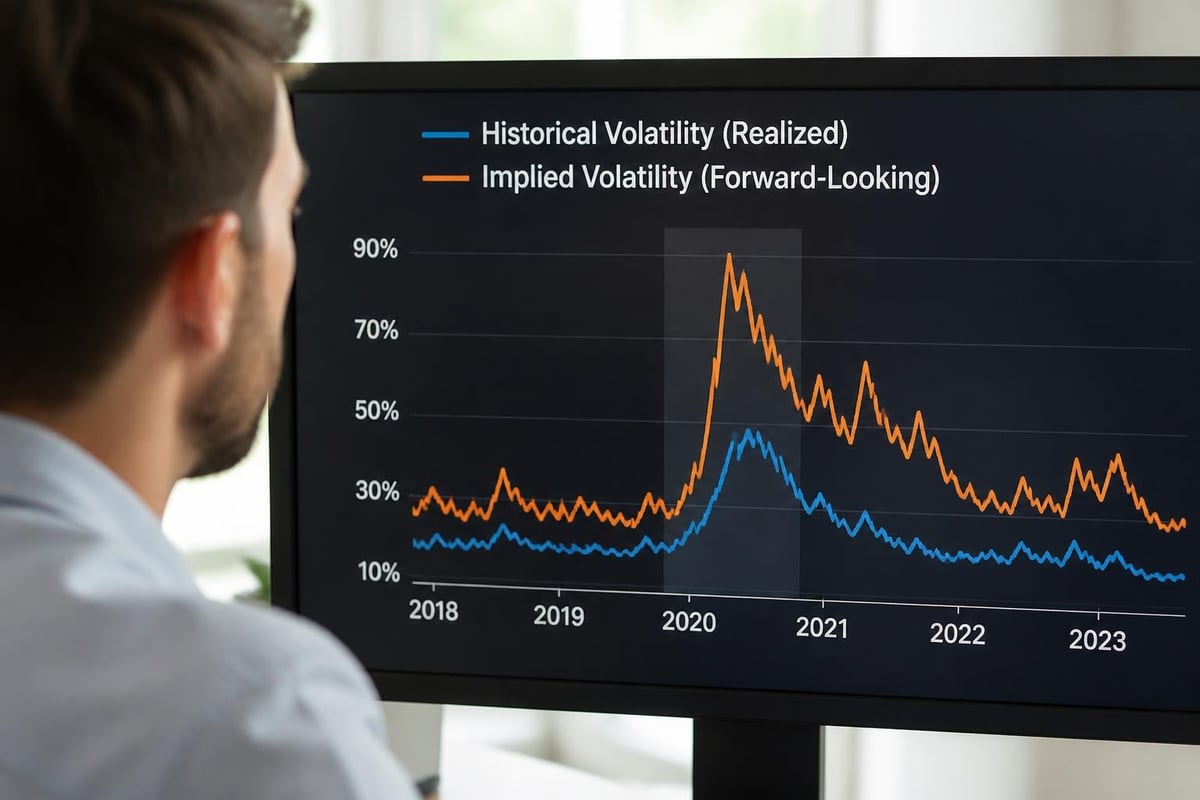
Historical volatility calculations look backward, measuring actual price movements over a defined period. Implied volatility, derived from options pricing, offers a forward-looking estimate of expected fluctuations. The gap between these two measures can signal important shifts in market psychology.
Economic and Policy Drivers
Macroeconomic conditions form the foundation for market stability or turbulence. When economic data surprises, central bank policy shifts unexpectedly, or fiscal measures create uncertainty, asset prices adjust rapidly to incorporate new information.
Federal Reserve research demonstrates how rising economic and policy uncertainty affects investment decisions, financial conditions, and broader macroeconomic outcomes. Businesses delay capital expenditures when they cannot predict regulatory environments or tax structures. Consumers postpone major purchases when employment prospects seem clouded. These behavioral responses feed back into market pricing, creating self-reinforcing cycles of volatility.
The 2025-2026 Landscape
The current environment presents several uncertainty drivers that contribute to volatile markets:
- Monetary policy normalization: Central banks worldwide continue adjusting interest rates to balance growth and inflation objectives
- Geopolitical tensions: Trade disputes, regional conflicts, and diplomatic ruptures create unpredictable shocks to supply chains and capital flows
- Technological disruption: Rapid advances in artificial intelligence, automation, and digital currencies reshape competitive landscapes faster than regulations can adapt
- Climate-related risks: Physical impacts of extreme weather and transition risks from decarbonization policies introduce new volatility sources
The Federal Reserve’s April 2025 Financial Stability Report provides comprehensive analysis of these factors, assessing liquidity conditions, leverage in various sectors, and potential amplification mechanisms that could turn localized stress into systemic events.
| Volatility Driver | Primary Impact | Secondary Effects |
|---|---|---|
| Interest Rate Changes | Bond prices, currency values | Credit availability, real estate valuations |
| Geopolitical Shocks | Commodity prices, sector rotation | Supply chain costs, corporate earnings |
| Earnings Surprises | Individual stock prices, sector indices | Portfolio rebalancing, derivatives hedging |
| Regulatory Changes | Affected industry valuations | Competitive dynamics, M&A activity |
Behavioral Factors and Market Psychology
Human psychology plays a substantial role in amplifying or dampening market movements. Investors do not always process information rationally, and cognitive biases can lead to overreaction or underreaction to news and data.
Research published by the National Bureau of Economic Research examines how investors overreact to economic announcements, creating price movements larger than fundamental changes would justify. When positive news arrives, excessive optimism can drive prices above intrinsic values. Conversely, negative surprises trigger panic selling that overshoots reasonable downward adjustments.
Herd Behavior and Momentum
Market participants often follow the actions of others rather than conducting independent analysis. This herding tendency accelerates trends in both directions, creating momentum that persists until some catalyst reverses the flow. During periods of uncertainty, herding intensifies as investors seek safety in consensus positions.
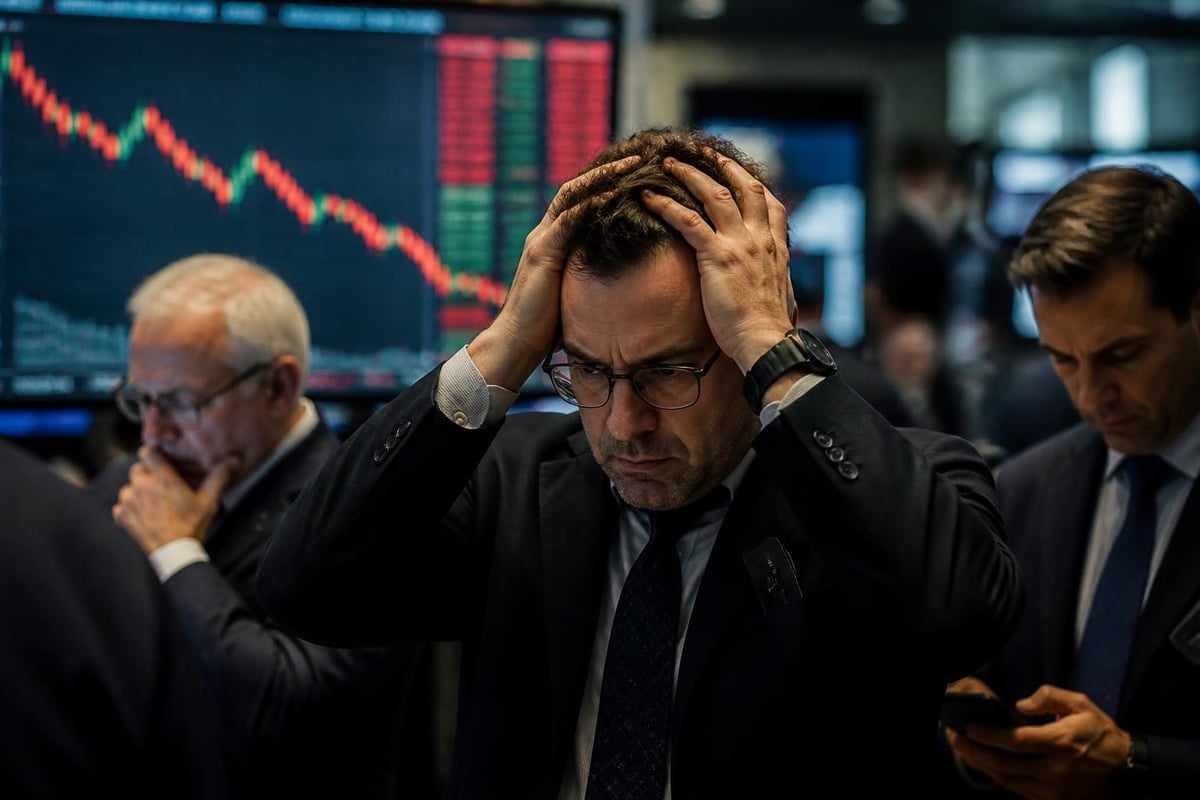
Algorithmic trading systems can amplify these patterns. When price movements trigger programmed buy or sell signals across many algorithms simultaneously, the collective effect creates sudden, sharp moves that human traders alone might not produce. High-frequency strategies operating on microsecond timeframes add another layer of complexity, sometimes causing "flash crashes" where prices briefly plunge before recovering.
Risk Management in Turbulent Times
Protecting capital during volatile markets requires proactive planning and disciplined execution. Investors cannot eliminate risk entirely, but they can structure portfolios and implement strategies that reduce exposure to worst-case scenarios.
Diversification remains the foundational risk management principle. Spreading investments across asset classes, geographic regions, sectors, and investment styles reduces the impact of any single shock. However, diversification benefits can break down during extreme stress when correlations between assets converge toward one.
Position sizing determines how much capital to allocate to individual investments. Smaller positions in riskier assets limit potential losses, while maintaining adequate exposure to capture upside. Dynamic position sizing adjusts allocations based on measured volatility, increasing cash when turbulence rises and deploying capital when conditions stabilize.
Hedging Strategies and Derivatives
Options, futures, and other derivatives offer tools to manage downside risk:
- Protective puts establish price floors for equity holdings, sacrificing some upside potential for downside protection
- Collar strategies combine put purchases with call sales to finance protection at reduced cost
- Volatility-based products allow direct trading of expected market fluctuations rather than directional bets
The CFA Institute’s guidance on building low-volatility equity strategies offers practical approaches for constructing portfolios designed to perform across volatile markets. These strategies typically emphasize quality factors, stable earnings, lower beta, and defensive sectors.
| Strategy Type | Mechanism | Best Use Case |
|---|---|---|
| Protective Puts | Buy downside options on holdings | Known event risk, concentrated positions |
| Stop-Loss Orders | Automatic sale at predetermined price | Momentum trading, capital preservation |
| Volatility Targeting | Adjust exposure based on realized vol | Systematic strategies, risk parity |
| Dynamic Asset Allocation | Shift between stocks/bonds/cash | Long-term investors, tactical positioning |
Institutional Responses and Regulatory Frameworks
Large financial institutions face particular challenges managing volatile markets because their size and interconnectedness create systemic implications. Regulators worldwide have implemented stress testing requirements, capital buffers, and liquidity standards to ensure stability.
ESMA’s 2026 guidelines on stress test scenarios for money market funds exemplify the regulatory approach to managing risks during market turbulence. These frameworks require institutions to model severe but plausible scenarios, assess their resilience, and maintain adequate resources to withstand shocks without requiring government support.
Banks now hold significantly more capital relative to their risk-weighted assets than before the 2008 financial crisis. Enhanced leverage ratios and liquidity coverage requirements limit the ability to take excessive risks. While these regulations constrain some profit opportunities, they reduce the probability of institutional failures that could amplify market volatility.
Central Bank Interventions
Monetary authorities possess powerful tools to calm volatile markets when financial stability comes under threat. Interest rate adjustments, quantitative easing programs, and emergency lending facilities can inject liquidity, stabilize funding markets, and restore confidence.
However, frequent central bank interventions create moral hazard. If investors believe authorities will always step in to prevent significant losses, they may take greater risks than appropriate, setting up future volatility episodes. Policymakers must balance supporting smooth market functioning against encouraging excessive risk-taking.
Opportunities Within Turbulence
While volatile markets create anxiety, they also generate opportunities for disciplined investors. Price dislocations allow purchasing quality assets at discounts when fearful sellers exit positions indiscriminately. Volatility strategies profit directly from price fluctuations rather than requiring directional accuracy.
Contrarian approaches involve taking positions opposite to prevailing sentiment. When panic drives prices below intrinsic values, contrarians accumulate shares for eventual recovery profits. This strategy demands patience, strong conviction, and careful security selection to distinguish temporary distress from permanent impairment.
Event-driven strategies focus on corporate actions like mergers, restructurings, or bankruptcies that create temporary price inefficiencies. Volatility around these events can be analyzed and traded, with skilled practitioners earning returns from correctly assessing outcomes and timing.
The Business and Financial section at Fairmont Post regularly covers how companies and investors navigate turbulent market conditions, providing case studies and expert perspectives that illuminate successful approaches.
Options Strategies for Volatility
Sophisticated traders deploy options strategies specifically designed to profit from volatility itself:
- Straddles and strangles: Simultaneously buying calls and puts to profit from large moves in either direction
- Iron condors: Selling both sides of the market with defined risk, profiting when prices remain range-bound
- Calendar spreads: Exploiting differences in implied volatility across expiration dates
- Volatility arbitrage: Trading spreads between implied and expected realized volatility
These approaches require technical expertise and active management but can generate returns uncorrelated with traditional stock and bond investments.

Technology's Role in Modern Market Dynamics
Technological advancement has fundamentally changed how markets operate and how volatility manifests. Electronic trading platforms, algorithmic execution, and real-time global connectivity accelerate information flow and price discovery.
High-frequency trading firms now account for substantial market volume, providing liquidity during normal conditions but potentially withdrawing during stress. The speed advantages these firms enjoy can create predatory dynamics where slower participants face adverse selection.
Machine learning models analyze massive datasets to identify patterns and generate trading signals. These algorithms can process news, social media sentiment, economic indicators, and price action simultaneously, reacting faster than human traders. When multiple algorithmic systems respond similarly to market events, their collective action can amplify movements.
Data velocity has increased dramatically. Information that once took hours or days to disseminate now reaches global markets in milliseconds. This acceleration compresses the time available for thoughtful analysis, potentially increasing overreaction to new information.
The Retail Trading Revolution
Online brokerages and commission-free trading have democratized market access, bringing millions of retail investors into active participation. Social media platforms enable rapid coordination of retail trading activity, occasionally creating short squeezes and other unusual market dynamics.
This retail engagement adds complexity to market structure. Traditional institutional investors now must account for retail flows that may respond to different information sources and operate with different time horizons. The Technology and Science coverage at Fairmont Post explores how digital platforms continue reshaping financial market participation and infrastructure.
Sector-Specific Volatility Patterns
Different economic sectors exhibit varying sensitivity to market turbulence based on their business models, regulatory environments, and cyclical characteristics.
Technology stocks often experience elevated volatility because their valuations depend heavily on expectations for future growth. Rapid innovation creates both opportunity and disruption risk. Small changes in discount rates or growth assumptions can trigger large valuation swings.
Financial services firms show volatility linked to credit cycles, interest rate movements, and regulatory changes. Banks, insurers, and asset managers all face leverage and liquidity dynamics that amplify market stress.
Consumer staples and utilities traditionally exhibit lower volatility because demand for their products remains relatively stable across economic conditions. Investors often rotate into these defensive sectors during uncertain times, seeking stability over growth.
Energy and materials companies face commodity price volatility that translates directly into earnings uncertainty. Supply disruptions, geopolitical events, and demand shifts create substantial price swings in these cyclical industries.
| Sector | Typical Vol Characteristics | Key Drivers |
|---|---|---|
| Technology | High, growth-dependent | Innovation cycles, competition, valuation multiples |
| Financials | Moderate to high, cycle-linked | Interest rates, credit quality, regulation |
| Healthcare | Moderate, event-driven | Drug approvals, policy changes, demographic trends |
| Consumer Staples | Low, defensive | Economic resilience, pricing power, market share |
| Energy | Very high, commodity-linked | Supply/demand balance, geopolitics, transition risks |
Portfolio Construction for Uncertain Environments
Building resilient portfolios requires balancing multiple objectives: growth, income, capital preservation, and liquidity. No single approach suits all investors, but certain principles apply broadly during volatile markets.
Asset allocation forms the foundation, determining the mix of stocks, bonds, cash, and alternative investments. Strategic allocation establishes long-term targets based on goals and risk tolerance. Tactical allocation makes shorter-term adjustments responding to market conditions and valuations.
Quality focus emphasizes financially strong companies with sustainable competitive advantages, stable cash flows, and manageable debt levels. These characteristics help businesses weather economic downturns and market stress.
Rebalancing discipline maintains target allocations by periodically selling winners and buying laggards. This mechanical approach enforces "buy low, sell high" behavior that many investors intellectually understand but emotionally struggle to execute.
For those interested in sharing their insights on navigating market complexity, contributing a Guest Post to publications covering finance and investment topics can help reach engaged audiences seeking practical guidance.
The Role of Alternative Investments
Traditional stock-bond portfolios sometimes struggle during volatile markets when correlations increase. Alternative investments offer potential diversification benefits:
- Private equity and venture capital provide exposure to companies outside public markets
- Real estate offers inflation protection and income generation with different risk factors than securities
- Commodities can hedge specific inflation or supply risks
- Hedge funds employ varied strategies designed to profit across market conditions
However, alternatives often come with higher fees, less liquidity, and greater complexity than traditional investments. Due diligence and proper allocation sizing remain essential.
Looking Ahead in 2026
The factors driving volatile markets in 2026 reflect both persistent structural challenges and emerging new risks. Debt levels across governments, corporations, and households remain historically elevated, creating sensitivity to interest rate changes. Geopolitical fragmentation continues, with major economies pursuing divergent policy paths that complicate global capital allocation.
Climate change introduces both physical risks from extreme weather events and transition risks as economies shift toward lower-carbon energy systems. These changes create winners and losers across sectors, with associated valuation uncertainty driving volatility.
Demographic shifts, particularly aging populations in developed economies, affect savings patterns, labor markets, and fiscal sustainability. These slow-moving forces interact with shorter-term cyclical dynamics to shape market behavior.
Despite these challenges, markets have historically rewarded patient, disciplined investors who maintain perspective during turbulent periods. Volatility creates the price dispersion necessary for active management to add value and for capital to flow toward its most productive uses.
Understanding the drivers, impacts, and management approaches for volatile markets equips investors to navigate uncertainty more effectively. While no one can predict specific market movements, preparing for various scenarios through proper risk management enables participation in market growth while protecting against catastrophic losses.
Navigating volatile markets requires staying informed about economic trends, policy developments, and market dynamics that drive uncertainty and opportunity. Whether you're an institutional investor, financial professional, or engaged individual tracking global capital markets, access to timely, comprehensive coverage across business, finance, technology, and broader economic sectors helps you make more informed decisions. Fairmont Post delivers the insights and analysis you need to understand complex market environments and position yourself advantageously through all market conditions.


